About Vilankulo
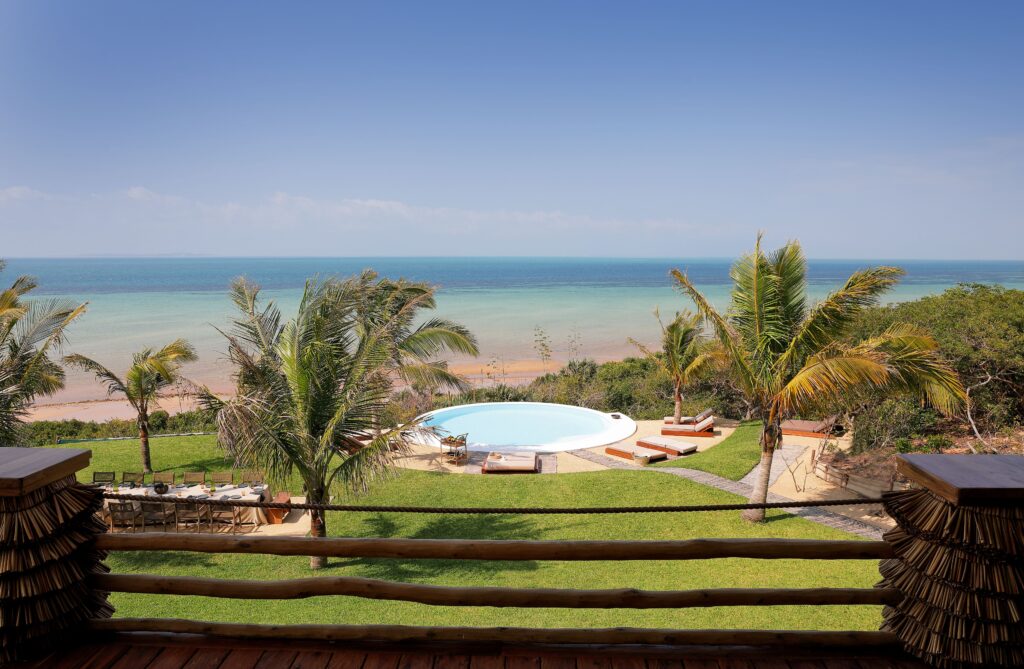
Welcome to Vilankulos, your gateway to paradise on the Mozambican coast.
Nestled along the warm waters of the Indian Ocean, Vilankulos is a vibrant beach town known for its stunning natural beauty, laid-back atmosphere, and friendly local charm. It’s the perfect destination for travelers seeking adventure, relaxation, and a taste of authentic Mozambican culture.
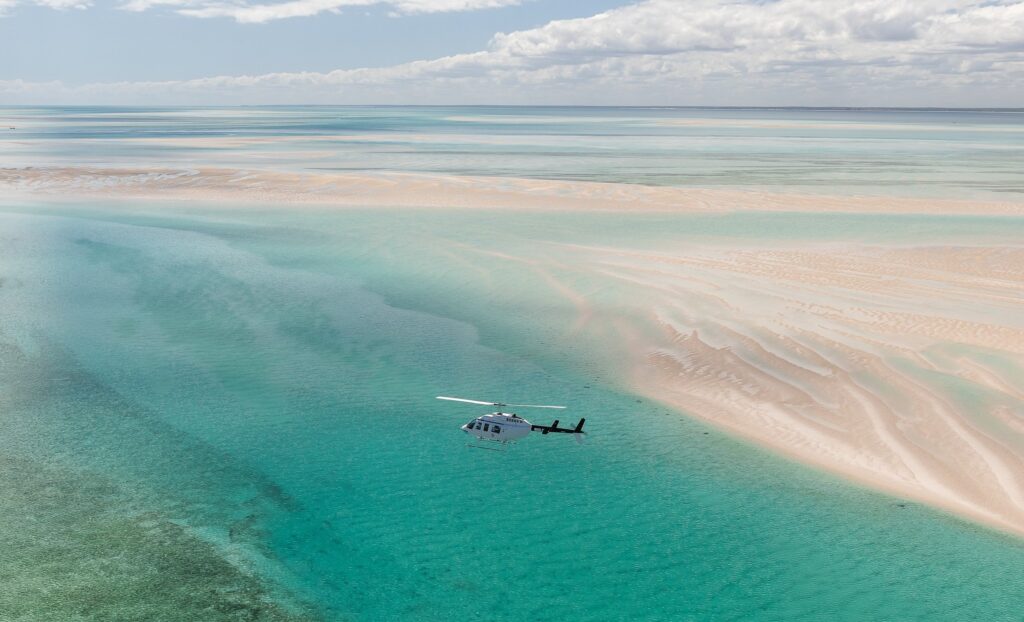
Just offshore lies the breathtaking Bazaruto Archipelago, a chain of protected islands surrounded by turquoise seas, coral reefs, and marine life like dolphins, turtles, and even the rare dugong. Whether you’re sailing on a traditional dhow, diving among colorful reefs, or simply enjoying a sunset cocktail on the beach, Vilankulos offers something unforgettable for every kind of traveler.
Beyond the beaches, the town itself is full of life. Local markets, fresh seafood restaurants, and vibrant music bring a unique cultural flavor to your stay. Whether you’re exploring on foot, horseback, or by boat, you’ll find Vilankulos is more than just a destination — it’s an experience.
Come and discover the magic of Vilankulos — where the sea meets the soul.
History of Vilankulos
A Timeless Coastal Story
Vilanculos (also spelled Vilankulo) is more than just a beautiful beach destination — it’s a place with a deep and layered history that reflects the rich cultural mix of Mozambique’s past.
Pre-Colonial Times
Long before Vilankulos became a tourism hotspot, the area was inhabited by the Tsonga people, particularly the Chopi ethnic group. These communities lived along the coast, relying on fishing, small-scale farming, and trade. They had strong cultural traditions, including the Timbila (a traditional xylophone music form recognized by UNESCO), which is still celebrated in the region today.
The town’s name, Vilankulo, comes from a powerful local tribal chief, Chief Vilankulo, who ruled the area before colonial occupation. The legacy of the chief is still honored by locals, and his descendants live in the region to this day.
Arab and Indian Ocean Trade
Vilankulos was historically connected to the broader Indian Ocean trade network, with Arab traders sailing down the East African coast as early as the 11th century. These traders exchanged goods like ivory, gold, and spices, influencing local cultures and even contributing some of the Swahili and Arabic linguistic roots still found in parts of coastal Mozambique.
Colonial Era (Late 19th to Mid-20th Century)
Mozambique became a Portuguese colony in the late 1800s, and Vilankulos grew slowly as a small outpost during this time. The Portuguese built basic infrastructure and developed coastal towns as trade ports. You can still find remnants of Portuguese colonial architecture in the older parts of the town.
Life under colonial rule was harsh for many Mozambicans, including in Vilankulos, where local people were often subjected to forced labor and discrimination. However, the blending of Portuguese and African cultures also created a unique fusion — seen today in the food, language (Portuguese remains the official language), and customs of the area.
Mozambican Independence (1975)
Mozambique gained independence from Portugal in 1975, following a long struggle led by the FRELIMO movement. The post-independence years were marked by hope, but also significant challenges, including a civil war (1977–1992) that impacted the whole country.
Vilankolos, while relatively remote, felt the effects of the conflict. Tourism and economic activity stalled, and many communities focused on survival and rebuilding.
Post-War Growth & Tourism Boom (1990s–Today)
After peace returned in the early 1990s, Vilankolos began to rise again — this time as a tourism gem.
Its proximity to the Bazaruto Archipelago, with its pristine islands and protected marine park, quickly made it a favorite for divers, nature lovers, and adventure travelers. Tourism development brought new opportunities to the region, including eco-lodges, restaurants, and local tour operators.
Today, Vilankulos is one of Mozambique’s top tourist destinations, welcoming thousands of visitors each year. Despite modern growth, the town has retained its warm, welcoming feel and strong local identity.
A Living Heritage
What makes Vilankulos truly special is how it blends history, culture, and natural beauty. From the legacy of Chief Vilankulo to the rhythms of traditional music, and from colonial echoes to vibrant modern life, the town tells a story of resilience, community, and connection to nature.
When you visit Vilankulos, you’re not just seeing beautiful beaches — you’re stepping into a place with a living, breathing history that continues to unfold.
Why Vilankulos?
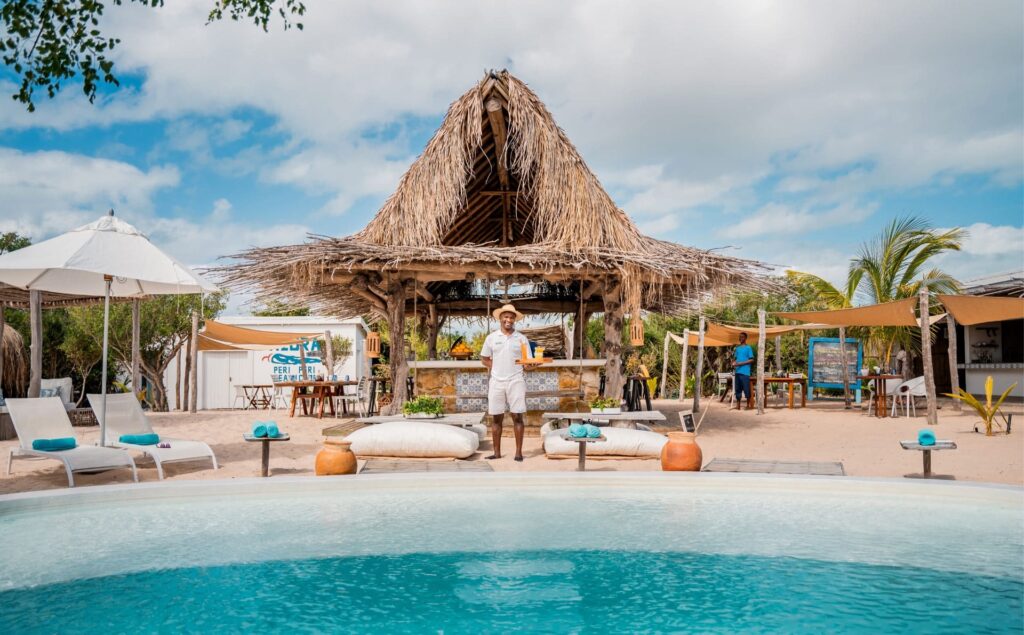
- Untouched Natural Beauty: Explore pristine beaches, turquoise waters, and protected marine parks.
- World-Renowned Diving & Snorkeling: Bazaruto Marine National Park is home to vibrant coral reefs and marine life including dugongs, turtles, and dolphins.
- Adventure Activities: Dhow safaris, kite surfing, fishing, island hopping, horse riding on the beach.
- Authentic Mozambican Culture: Visit local markets, enjoy traditional music and cuisine.
- Eco-Tourism: Many lodges and tours support local communities and protect the environment.
How to Get to Vilankulos
By Air:
Vilankulos has a small international airport (VNX) with direct flights from Maputo, Johannesburg, and occasionally from Nelspruit.
Domestic flights are operated by LAM Mozambique and other regional carriers.
By Road:
From Maputo, Vilankulos is about 700km north. The journey by road can take 8–10 hours, with several bus companies operating along the route. A 4×4 is recommended for some stretches.
Visa & Entry Requirements:
Most travelers require a visa to enter Mozambique, available at borders or online (check updates). A valid passport and yellow fever certificate (if coming from an endemic area) may be required

Things to Know When Traveling to Mozambique
- Currency: Mozambican Metical (MZN); USD often accepted in tourist areas.
- Language: Portuguese is the official language; English spoken in tourism hotspots.
- Best Time to Visit: May to October (dry season with mild temperatures).
- Health: Malaria prophylaxis recommended; bring insect repellent and sunscreen.
- Connectivity: Mobile networks are available; some lodges offer Wi-Fi.
- Safety: Generally safe, but like all travel destinations, take standard precaution
Things to Do in Vilankulos
- Bazaruto Island Day Trips
- Scuba Diving & Snorkeling
- Dhow Sailing Safaris
- Kite Surfing
- Whale Watching (seasonal)
- Horseback Riding on the Beach
- Visiting Local Villages and Markets
- Seafood Dining Experiences
Speak Like a Local in Vilankulo
50 Essential Phrases
Here is your fun handy translator when visiting Vilankulo.